
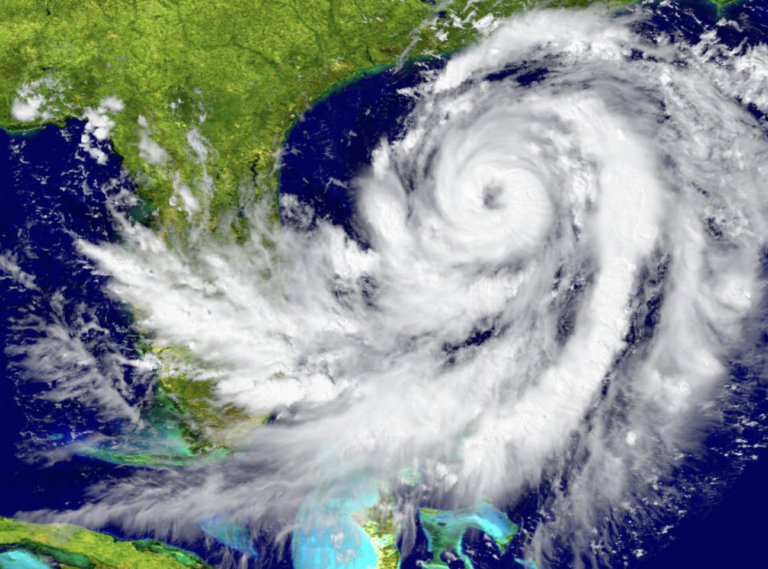
As hurricane season 2026 approaches, Florida homeowners — especially along the Southwest coast — should be finalizing preparations now, not when a storm appears on the radar. Effective readiness blends structural hardening with smart logistical planning, and the weeks before peak season are the time to do both.
Key Takeaways
-
Treat seasonal forecasts as guidance; a single storm can define your year regardless of predictions.
-
Inspect shutters, roofs, garage doors, and entryways before a watch is ever issued.
-
Store insurance policies and legal documents in waterproof, high-elevation locations.
-
Keep an emergency kit stocked with at least seven days of water, food, and medication.
What the 2026 hurricane season means for Florida
Forecasters build seasonal outlooks from sea surface temperatures and shifting wind patterns, and this year’s signals warrant attention. But probability reports describe broad Atlantic conditions — not whether your neighborhood takes a direct hit. Even in a statistically “quiet” year, one storm stalling over Southwest Florida can cause catastrophic local damage. The practical takeaway for hurricane season 2026: Florida residents should prepare fully no matter what the seasonal numbers say.
Assess your property’s specific risks
Start with your flood zone. Storm surge and rainfall flooding are dictated by your official designation, and even elevated lots can flood if drainage is poor — check the latest municipal maps rather than assuming. If you see standing water after heavy afternoon rains, your lot grading may need correcting before the ground becomes fully saturated.
Next, look up. Overhanging branches, loose fence panels, and unsecured patio equipment become projectiles in high winds. Prune trees annually, anchor metal furniture, and reinforce fencing before storms are in the forecast.
Strengthen your home’s physical defenses
Wind intrusion is the mechanism behind most catastrophic storm damage: once wind enters the building envelope, internal pressure can lift the roof. Your defenses are only as strong as the weakest opening.
Shutters. Check your hurricane shutters now for rust, broken tracks, and missing hardware, and run a full deployment test. A shutter that jams during a warning is no shutter at all.
Windows and doors. If your home still has standard glass, upgrading to impact windows provides always-on protection engineered to resist high-velocity debris. Impact entry doors and sliding glass impact doors seal the remaining thresholds.
Garage doors and roofs. The garage door’s large surface area makes it a common failure point — reinforce the tracks and panels. Have a professional inspect roof shingles, flashing, and vent seals; minor damage in a light rain becomes a full leak under hurricane-force gusts.
Get financially and legally ready
Review your policy for named-storm deductibles, which are often a percentage of your home’s insured value and separate from standard deductibles. Then document your belongings: film every room (open the drawers), capture serial numbers on electronics, and upload everything to cloud storage. Keep birth certificates, deeds, and estate documents in waterproof containers stored high in the home.
Plan your evacuation and supplies
Know your evacuation zone and map at least two exit routes, since flooding can close main roads. Designate an out-of-state relative as the family communication hub — long-distance lines often connect when local networks are overloaded — and arrange pet-friendly shelter options in advance.
For supplies, stock one gallon of water per person per day, a two-week supply of critical medications, and multiple power sources for phones and radios. Don’t forget sanitation basics: heavy-duty trash bags, hand sanitizer, and unscented bleach for water purification.
Prepare now, not at the warning
The 2026 hurricane season will test Florida homes whether forecasts run high or low, and supplies vanish from shelves within hours of a storm announcement. If budget is tight, start with free fixes — clearing debris, reinforcing the garage door — then build toward structural upgrades. For shutters, impact windows, and doors, 360 Impact can assess your home’s openings in a single consultation and get code-compliant protection installed before the season peaks.
Frequently Asked Questions
When does the 2026 hurricane season start in Florida?
The Atlantic hurricane season runs June 1 through November 30, with activity typically peaking from mid-August to October. Aim to finish preparations before June.
Is 2026 predicted to be an active hurricane season?
Seasonal outlooks evolve throughout spring, but the forecast matters less than readiness — a single storm in a quiet year can be devastating. Prepare the same way every year.
Do impact windows eliminate the need for shutters?
In most cases, yes. Code-rated impact windows withstand wind and debris on their own, though some homeowners layer shutters over standard glass as an interim step.
What’s the most important upgrade if I can only afford one?
Reinforce your garage door first — it’s the most common structural failure point — then prioritize protecting windows and glass doors.